
Across the UK, the property market has become increasingly selective. But one segment is quietly outperforming the rest: affordable houses in North West England, particularly those priced between £70,000 and £150,000.
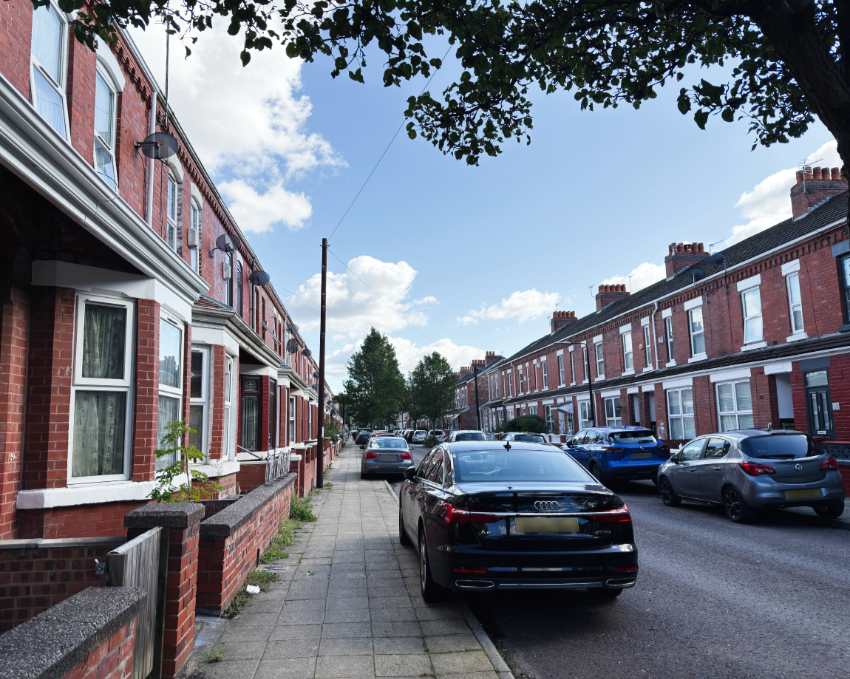
These properties are selling faster, attracting more buyers, and in many cases achieving stronger relative demand than comparable stock elsewhere in the country.
So what’s driving this trend — and more importantly, how long can it continue?
1. Affordability Is Driving Real Demand
The most obvious factor is also the most powerful: price.
In a high-interest rate environment, affordability has become the single biggest constraint for buyers. While much of the UK — especially the South — has priced out large sections of the population, parts of the North West remain accessible.
This creates two strong buyer groups:
Owner-occupiers
- First-time buyers are being pushed north by necessity
- Monthly mortgage payments on a £90k–£130k property are often cheaper than rent
- These buyers are less speculative and more committed, reducing fall-through risk
Investors (but a different kind)
- Not the leveraged portfolio landlords of the past
- More likely to be cash buyers or low-leverage investors
- Often targeting refurbishment opportunities or high-yield flips, not long-term lettings
In short: this is one of the few parts of the UK market where both owner-occupiers and investors can still make the numbers work.
2. EPC Ratings: The Elephant in the Room
Many of these affordable properties share another characteristic: they’re older stock.
- Victorian terraces
- Ex-local authority housing
- Poor insulation and outdated heating systems
Which means one thing: low EPC ratings — often D, E or even below.
This becomes critical when viewed against the backdrop of incoming regulation, particularly:
- The Decent Homes Standard (being extended into the PRS)
- Potential tightening of minimum EPC requirements
For landlords, this creates a looming cost problem:
- Upgrading an EPC from E to C can cost £10,000–£25,000+
- On a £90,000 property, that’s a huge percentage of the asset value
- And crucially — it rarely translates into equivalent capital uplift or rental growth
So what are many landlords doing?
They’re selling instead of upgrading.
3. Who’s Selling — and Why?
If you spend any time on landlord forums (such as LandlordZONE), a clear pattern emerges:
“It’s just not worth the hassle anymore.”
There is a growing cohort of landlords — particularly those with:
- Older, lower-value properties
- Sitting tenants
- Marginal yields after tax and compliance
…who are choosing to exit.
Their motivations include:
- Regulatory pressure (Renters Reform Bill / Renters’ Rights Act)
- Tax changes and reduced profitability
- EPC upgrade costs
- Increasing difficulty regaining possession
This is feeding a steady supply of affordable stock into the market, particularly in the North West where these types of properties are concentrated.
4. Where Is Performing Best?
While the trend is broad, certain areas are consistently standing out:
- Greater Manchester satellite towns
- Liverpool and surrounding boroughs
- Lancashire towns (e.g. Burnley, Blackburn, Preston)
- Cheshire fringe areas with strong commuter links
What these areas have in common:
- Strong rental history (even if landlords are exiting)
- Good transport links
- Ongoing regeneration or local employment drivers
- Price points that remain accessible to a wide buyer pool
In many cases, properties are receiving multiple enquiries within days — something that’s becoming rare elsewhere in the UK.
5. But Here’s the Reality: This Window Will Close
Markets don’t stay imbalanced forever.
Right now, demand is outstripping supply in this niche. But several forces are building:
1. A wave of landlord exits
As more landlords react to legislative changes, supply will increase.
2. Section 21 bottleneck
With the abolition of Section 21 looming, landlords are rushing to act:
- Notice periods
- Court delays
- Bailiff backlogs
In reality, evictions can already take 6–12 months, and this is likely to worsen as the system becomes overloaded.
3. Buyer fatigue
As supply increases and quality varies (particularly with “tired” stock), buyers will become more selective.
6. The Hidden Risk: Waiting Too Long
Many landlords are currently making a critical mistake:
Waiting for the “perfect” price while the market is still moving.
But consider the alternative:
- Wait 6–9 months to evict a tenant
- Spend £15,000+ on upgrades
- Enter a more crowded, slower market
…only to still achieve less than today’s price in real terms
There’s a strong argument that:
Taking a slightly compromised price in a buoyant market is often better than chasing 100% in a declining one.
7. Why “Doing It Up” Often Doesn’t Stack
On paper, refurbishing before sale sounds sensible.
In reality:
- Costs are high and unpredictable
- Timelines slip
- Buyers in this segment often prefer to do their own improvements anyway
And most importantly:
- You’re investing heavily just as the market dynamics are shifting against you
8. A Smarter Exit Strategy for Landlords
If the goal is to exit efficiently, the focus should be on:
- Speed
- Certainty
- Minimising risk
This is where many landlords get stuck — particularly with tenanted properties.
9. How Landlord Sales Agency Helps You Beat the Market Shift
Landlord Sales Agency is specifically designed for this moment in the market.
Instead of:
- Waiting months for eviction
- Entering costly legal battles
- Hoping tenants cooperate
They take a different approach:
1. Achieving vacant possession without eviction
- Mediation and negotiation with tenants
- Creating outcomes that work for both parties
- Avoiding court delays entirely
2. Securing committed buyers quickly
- Marketing directly to serious investors and ready buyers
- Reducing fall-through risk
3. Locking in the sale early
- Non-refundable buyer deposits
- Stronger commitment than traditional sales
4. Minimising legal and holding costs
- Faster timelines
- Reduced solicitor involvement
- Less exposure to market changes
Final Thought: This Is a Window — Not a Guarantee
Affordable North West properties are in demand right now because:
- They’re accessible
- They offer opportunity
- They solve affordability problems for buyers
But the very forces driving demand — landlord exits, regulatory pressure, and tenant issues — are also building future supply and friction.
That balance will shift.
The landlords who benefit most won’t be the ones who wait for certainty —
they’ll be the ones who act while the market is still on their side.